
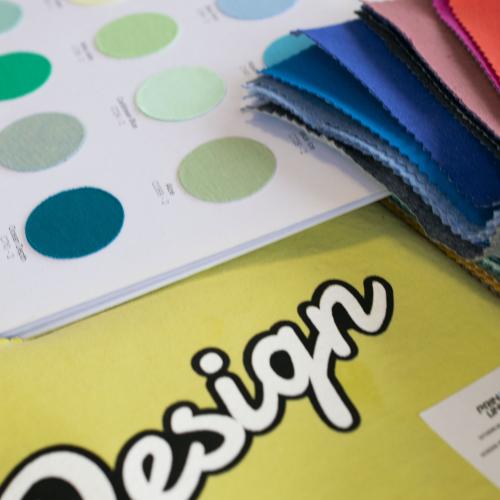
Color is the language of emotions - in fashion and print design it has power greater than the cut, fabric, or decoration technique. Properly chosen hues can add energy, sophistication, or lightness to an outfit. A print in intense, contrasting colors makes the garment bold and attention-grabbing, while pastel shades introduce calmness and delicacy. Knowledge of color theory and skillful use of that knowledge allow for creating coherent and aesthetic designs.
Colors and their meaning
Each color carries a specific message and emotions. Here are some examples worth considering during design:
Red - a symbol of passion, love, and energy. It draws the eye and adds confidence. In excess, however, it can be associated with aggression.
Blue - the color of calm, stability, and professionalism. Ideal for brands that want to inspire trust.
Green - refreshing and natural, associated with ecology and balance. It works excellently in nature-related projects and for brands wanting to maintain a neutral message.
Yellow - cheerful, optimistic, creative. Great for attracting attention, but tiring to the eye in large amounts, especially in bright shades.
Black - elegant and universal. It works for any occasion and does not disappoint.
White - purity, freshness, and minimalism. Ideal as a background for contrasting prints.
Purple - the color of creativity, luxury, and mystery. In fashion it is often used to emphasize individuality.
How a bad color choice can affect perception of a design
Poor color combinations are the main reason even the best design loses its charm. Inappropriate contrast between the background and the print can make the graphic unreadable, and the viewer may miss its details. Colors that clash instead of harmonizing cause visual chaos. Bright green on a red background will tire the eyes, while a pastel print on white fabric may be barely visible. In fashion, harmony matters - colors should complement each other, not compete for attention.
Color and the viewer's emotions, or communication in fashion
Choosing a color is not only a matter of aesthetics but also psychology. Colors have a real impact on emotions and purchasing decisions. Customers more often choose clothing in colors that reflect their mood or how they want to be perceived. Warm colors - like orange or red - stimulate, while cool ones, such as sky blue or mint, introduce calm. Therefore a brand that understands color psychology can build a more coherent and attractive image.
How to match the print color to the material
Besides emotional meaning, the color should harmonize with the fabric color. On dark materials, light, contrasting prints look best and bring out the graphic details. Conversely, on a light background it's worth using saturated colors to achieve depth and clarity. It's also worth matching the color to the occasion. Some color variants inherently have a different effect - black and red are a bold and sharp combination, while orange and purple seem childish.
Color trends - how to keep up with fashion but stay authentic
Color trends change every season - Pantone announces color(s) of the year, which then dominate runways and advertising campaigns. However, it's worth remembering that trends are only guidance. The key to success is authenticity and consistency with the brand's character. Color should align with its message and values - if a brand promotes minimalism, it's better to opt for natural shades than neon experiments that are a temporary trend.
Color is not just decoration, but also a powerful tool of visual communication. It can emphasize personality, make a brand stand out, and build an emotional bond with the audience. Conscious use of hues in print design allows creating coherent, well-thought-out collections that attract attention and stay in memory.