
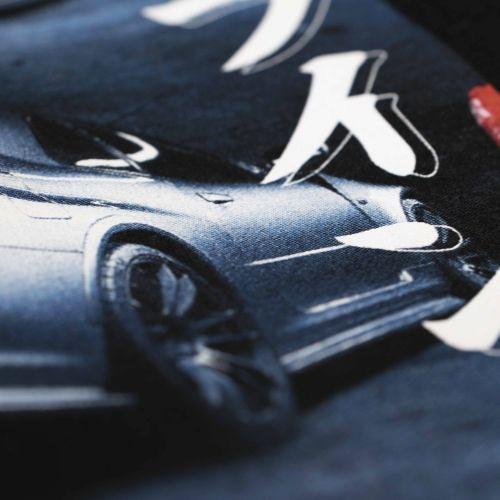
Screen printing is one of the most popular and oldest methods of marking clothing and textiles. It allows for durable, aesthetically pleasing prints on t-shirts, sweatshirts, as well as bags and other materials. In practice, two main types of inks are used: water-based and plastisol inks. Although both serve the same purpose, they differ in terms of composition, print properties, user comfort, and the printing process itself. The choice of the appropriate technology therefore depends on the graphic design, type of material, and expectations regarding the final effect.
Composition and characteristics of inks
The primary difference between these inks arises from their chemical composition. Water-based inks, as the name suggests, are water-based. The pigment partially penetrates the fiber structure of the fabric, making the print an integral part of the material. On the other hand, plastisol inks are based on PVC, or polyvinyl chloride. In this case, the ink does not penetrate the fabric but remains on its surface, creating a thin layer.
This difference directly affects the appearance and feel of the print. Water-based inks are practically imperceptible to the touch or barely noticeable. They produce a delicate, often matte and very natural effect. Plastisol, however, creates a more distinct layer on the material. The print is visually intense, often slightly glossy, but can also be more palpable.
Appearance and coverage of the print
In terms of print aesthetics, both technologies have their specific traits. Water-based inks offer a subtler, more "soft" visual effect. The colors are somewhat less vivid, but the print looks natural and blends well with the fabric texture.
Plastisol allows for very vibrant, intense colors and strong coverage. This is especially important when printing on dark fabrics. In such cases, an additional white underbase is usually used to enhance the color intensity of the print.
Water-based inks perform less effectively in covering dark materials. In such situations, a discharge technique is necessary, which is a special chemical process that removes dye from the fabric to enable achieving the correct print color.
Comfort of wear and breathability of the material
One of the biggest advantages of water-based inks is their high breathability. Since the pigment penetrates the fiber structure, the fabric retains its natural air permeability. The print is soft and practically unnoticeable, which is especially appreciated by those who prefer comfortable everyday clothing.
In the case of plastisol, the situation is different. The ink layer creates a coating on the fabric surface that limits air permeability. Large prints can affect wearing comfort.
Durability of prints
Both technologies offer good print durability, but the mechanism of this durability differs. For water-based inks, the pigment binds with the fabric fibers. This ensures the print withstands washing and use well, although over time, a slight cracking effect may appear. This often results from the natural appearance of the print and the way the ink is applied rather than actual damage.
Plastisol creates a flexible coating resistant to washing at around 30–40°C. With prolonged use, the print may start to crack or flake if the clothing is used improperly or in extreme conditions.
Printing process
From the perspective of print shops, plastisol inks are usually easier to handle. They do not dry in the screen during work, giving the operator more time to complete the print and reducing the risk of technological problems.
Water-based inks require greater precision and experience. They tend to dry in the screen, especially during longer printing breaks. This can complicate work on more complex projects and larger runs.
Differences also appear in graphic details. Plastisol works excellently with thin lines, tonal transitions, and multicolor separations, including CMYK technique. Water-based inks function better with simpler designs, limited to a few colors and fewer small details.
Possibilities for special effects
In the area of special effects, plastisol has a clear advantage. This technology allows creating a wide range of decorative effects, such as 3D prints, puff effect, glitter, or metallic shine.
Water-based inks offer much fewer possibilities in this regard. Their main advantage remains the natural look of the print and subtle visual effect.
Ecology and environmental aspects
Environmental aspects are becoming increasingly important when choosing technology. Water-based inks are considered more environmentally friendly because they do not contain PVC and are water-based.
Summary
There is no universal answer as to which ink is better. Water-based inks work excellently where a natural print appearance, fabric softness, and ecological production character matter. They work best on lighter fabrics and simpler graphic designs.
Plastisol inks offer greater production flexibility. They provide intense colors, good coverage of dark materials, and wide possibilities for special effects. They are also easier to print and more versatile with complex multicolor projects.
The final choice of technology should therefore take into account both the expected visual effect and the purpose of the print, fabric type, and the nature of the graphic design. This allows achieving the best combination of quality, durability, and print aesthetics.