
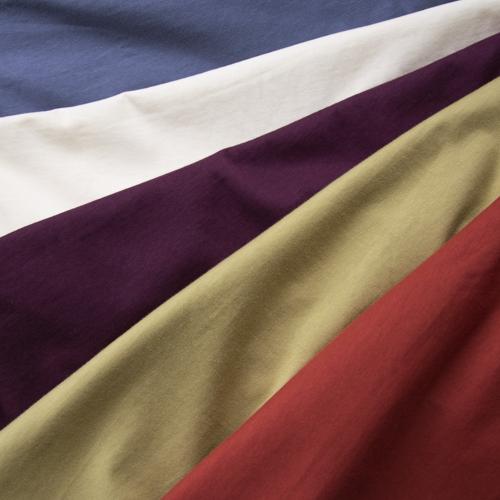
Modal is a modern fabric that redefines comfort. The contemporary textile industry increasingly turns to raw materials that combine high functional quality with an environmentally responsible approach. One such material is modal - a cellulose fiber valued for its exceptional softness, durability, and aesthetics. In practice, this translates to better functional parameters of the entire product - from T-shirts, through underwear, to sportswear.
What is modal?
Modal is a regenerated fiber produced from natural wood cellulose - most often from beech wood. Technologically, it originates from viscose; however, thanks to advanced spinning and chemical processes, it offers much better functional properties.
This type of fabric is characterized by:
greater tensile strength (also when wet),
higher resistance to pilling,
better material stability even after many washes,
exceptional smoothness of the fiber surface.
To the touch, modal is almost silky, delicate, and slightly cool against the skin.
How is it made?
The production process of modal includes several technological stages:
1. Raw material acquisition
The base is cellulose from beech wood. Trees typically come from controlled plantations, which helps limit overexploitation of natural resources and ensures the quality of the raw material.
2. Cellulose dissolution
Cellulose is transformed into fiber mass through a controlled chemical process. Unlike traditional viscose, modal production is optimized for lower water and energy consumption.
3. Fiber formation
The cellulose mass is forced through spinning nozzles, creating thin fibers. The fibers are then stabilized, rinsed, and dried.
4. Spinning and weaving/knitting
Finished fibers are processed into yarn, from which fabrics or knits are made - depending on the intended final product.
The result is a material with a very smooth structure, uniform surface, and high durability.
Properties of modal - how does it affect the quality of the entire product?
Choosing modal as a raw material component directly influences the functional and aesthetic parameters of the finished clothing.
1. Thermal comfort and breathability
Modal shows high air permeability and excellent moisture absorption (greater than cotton). This provides comfort even in high temperatures and is suitable for light sports activities.
This is a key feature for underwear and clothing that fits close to the body.
2. Softness and skin-friendliness
The smooth fiber structure minimizes friction, making modal suitable even for sensitive skin. The material does not cause irritation, is lightweight, and rests delicately. When blended with cotton, it creates a fabric that is almost fluid.
3. Color durability and aesthetics
Modal accepts dyes very well. Colors are vibrant and resistant to fading. Additionally, the material has a natural, subtle sheen that gives the finished garment a premium character.
4. Resistance to deformation
Compared to classic viscose or cotton, modal better retains shape, does not shrink excessively, and is more resistant to pilling and stretching when wet. This means longer product lifespan and an aesthetic appearance even after many washes.
5. Modal and clothing prints
Due to the delicacy of the fibers, clothing can often be too thin for some printing techniques. In the case of screen printing, paint may bleed through the surface, and during embroidery, holes may form, and the pattern will have nothing to hold onto. However, the material is exceptionally smooth, so with sufficiently high fabric weight, more details can be achieved, which enhances the overall print quality.
Modal and ecology
Although modal is a chemically processed fiber, its base is a natural raw material - cellulose. Modern production processes (especially in closed-loop systems) allow for:
limiting chemical emissions,
reducing water consumption,
effective recovery of solvents.
The level of environmental friendliness depends on the manufacturer and the applied technology, so it is worth familiarizing yourself with the production transparency of a given brand.
Summary
Modal is a material that combines natural origin with advanced fiber processing technology. It directly affects the quality of the finished product - increasing its durability, improving user comfort, and giving it an aesthetic, luxurious character.
Thanks to its properties, it is an attractive alternative to traditional viscose and cotton. It works particularly well in the clothing segment where softness, breathability, and long-lasting premium quality are key.